
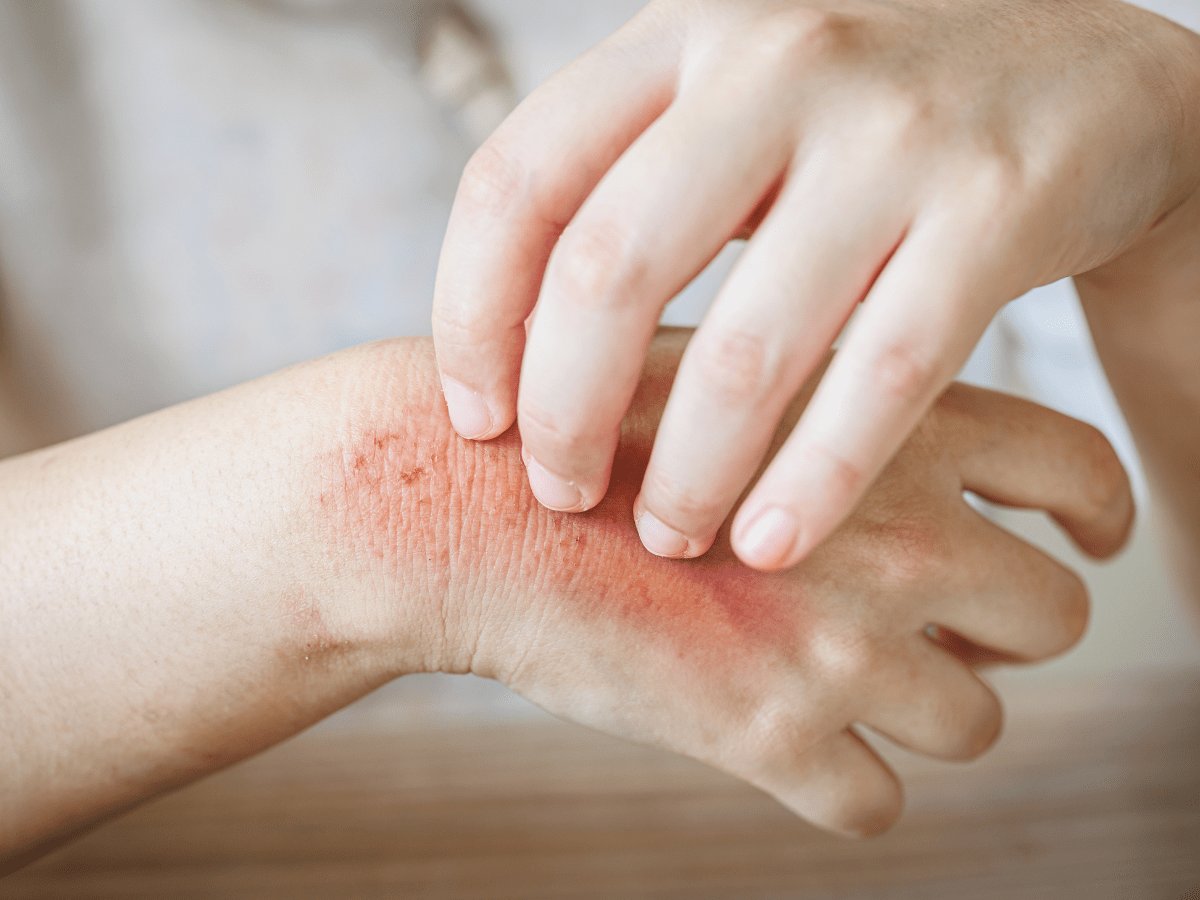
Summers are full of joy, vacations, swimming pools, water parks etc. It may be fun but it often comes with fungal infection. Yes, fungal infections are the common health issues that affect your skin, nails, foot, mouth and other parts of the body due to excess sweating, humidity and damp clothing.
In this blog, we will talk about the causes, symptoms and prevention which will help you to manage the disease and prevent further illness.
Understanding Fungal Infection
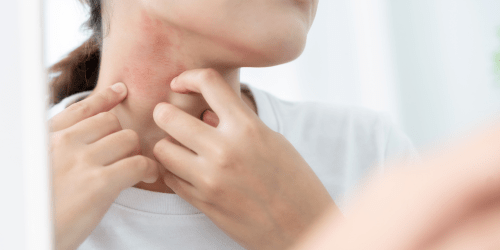
Fungal infection or mycosis is a disease or a condition you get from fungus. It occurs when harmful fungi grow on or inside your body. Fungi are microorganisms that develop in warm and moist environments. Moreover, it can affect people of all ages and also if you live in an area where weather is quite humid or moist or you have poor hygiene conditions and a weak immunity then you can be affected by a fungal infection.
Common Causes of Fungal Infection
There are various factors that can increase risk of fungal infections, including:
- Skin contact
- Uncleanliness
- Sharing personal items like (towel, shoes)
- Touching contaminated surfaces like(showers, gyms)
- Excess sweating
- Skin injuries
- Use of antibiotics for long-term
- Weak immune system
- Hot and moist environment
Types of Fungal Diseases
1. Ringworm
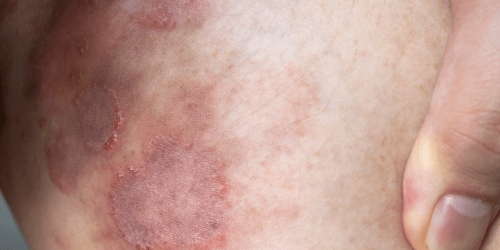
Red circular patches appear on skin. Common affected areas are arms, legs, neck, groin, and scalp
2. Athlete’s Foot
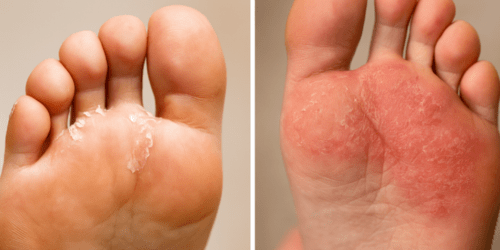
It’s a type of infection that affects the feet and toes. Moreover, It causes itching between the toes, burning sensation, cracked skin and redness in the foot area. This infection easily spreads in moist weather.
3. Fungal Nail Infection
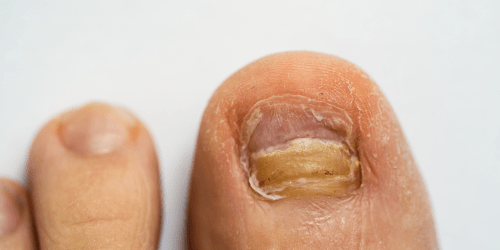
Fungal nail infection affects the fingernails or toe nails, making them thin , brittle and discolored.
4. Yeast Infection

Overgrowth of Candida fungus affecting the mouth, skin folds or vagina.
5. Jock Itch

It is a common infection that develops in moist and hot weather. It affects the inner thighs and groin area.
Symptoms of Fungal Infection
Common sides include:
- Redness & Itching
- Skin rash
- Burning sensation
- Scaly or peeling skin
- Swelling
- White patches on the skin and in the mouth
- Discoloration of nails (yellowish or white)
Best Treatment for Fungal Infection
Doctors often prescribe antifungal creams, powders and sprays for the mild infection.
Antifungal creams such as:
- Clotrimazole
- Ketoconazole
- Terbinafine
However, for severe infection doctors usually prescribe oral medications such as
- Fluconazole
- Itraconazole
- Terbinafine
Avoid using steroids or combination creams containing steroids,such as
- Betnovate-C
- Candid-B
- Canesten Plus etc.
These creams will give relief for some time but make skin thinner and harder to treat.
How to Prevent Fungal Infections?
- Keep skin dry. Use antifungal powders if needed.
- Wear breathable clothes
- Do not share your personal items.
- Maintain public hygiene by using slippers in public washrooms.
- Wash feet daily and dry it thoroughly. Change socks twice a day.
- To strengthen immunity, have a healthy diet.
When to See a Dermatologist?
If your symptoms get worsen, or you experience the persistent growth of infection consult a dermatologist right away!
Conclusion
Fungal infection may lower your confidence level but proper management is very important to prevent infection. If you experience any of the above symptoms your first step is to consult a doctor. Early diagnosis and treatment is very essential to prevent future complications and recurrence. Whether it’s a mild infection or serious skin disease early treatment will help you to recover faster.